

We love windows: light, outdoor connection and that open feeling. But thermally, they’re the weakest element in our building. Here’s a series of tips that our expert team has collected over the years on how to use windows to get the best performance and practicality.
Interested in what double-glazed windows to choose? Check out our well-loved article on choosing between uPVC, aluminium vs timber double-glazed windows.
Getting the design right
1. Putting windows in the right place
North
In Australia, we have access to beautiful sunlight. Maximising windows to the north allows that light and warmth in. We cannot overstate how important this is – particularly for those in the southern states. We do this by numbers in the Powerhaus app, and recommend at least 45% of all windows face north. The most important is for the rooms you spend the most time in (usually the living areas).
East and West
In colder climates, east-facing glazing can also be great for morning sun. For those in mild climates like the south coast, or cool to freezing climates, western glazing is lovely for afternoons basking in the winter warmth and watching the sun set. Just have a plan for cooling (see our comments further down!).
Not everyone has perfect orientation or a northern view, so make compromises that balance liveability, comfort, and energy use.

Image from The Mill Architecture.
2. Rule of thirds
This is one we’ve got from some of the wonderful architects we work with! The eye is drawn to the centre of the frame. If your window frame sits right there, that’s what you’ll look at — the frame, not the view.
Shift the frame off-centre and let the landscape take the spotlight. This means fixed highlight windows, single windows, or a one-third fixed and two-thirds operational window.

Image from Solace Creations.

Image from Solace Creations.
3. Highlight windows
Highlight windows are great in cooler climates for bringing in northern light (assuming they face north!) — but think them through carefully.
- Will they open for summer ventilation?
- Will they have shading to block unwanted heat in summer?
- How will you clean them?
- Do they frame a view, or just the neighbour’s roof?
Light is wonderful, but unshaded or poorly placed highlight windows can create heat and maintenance headaches.
4. Large stacking sliders
Huge sliding doors look amazing — until you live with them. They can be heavy, expensive, and awkward to add flyscreens to. This is an issue if you plan to age in place.
Great alternatives can be:
- Two fixed panes with two smaller sliders in the middle. They’re lighter and easier to use.
- Two fixed panes with a single slider.
- A single fixed pane with a hinged door.
And be realistic — if your big slider has no screen, you’ll probably keep it closed most of the time anyway. Screens like Centor are excellent, but they need extra wall width and cost more. Think about how you’ll actually use the door day-to-day.
5. Casement windows and the breeze
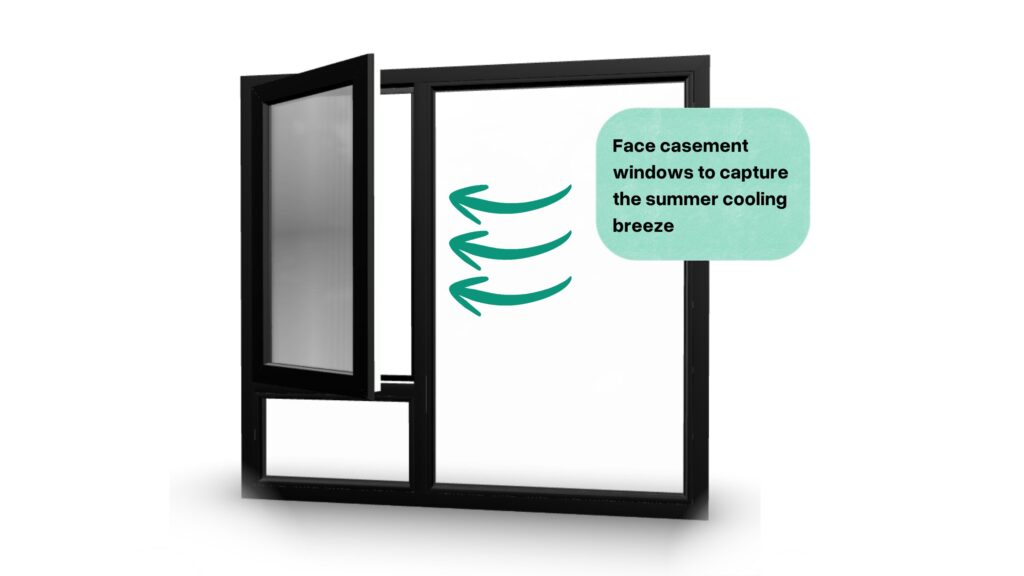
Casement windows are excellent for natural ventilation — if they open the right way.
Find your prevailing summer breeze and make sure the sash swings toward it so it catches and directs the airflow inside.
6. Design for your window coverings
Blinds, curtains, and windows all need to work together.
Tilt-and-turn windows with internal blinds? Difficult. You’ll need to build a recess into the window frame so the blinds don’t block the window opening, or have individual blinds on each pane of glass.
Curtains on a large wall of glass? You’ll pay for glazing you’ll never see (windows cost a lot more than wall). Allow all wall space for the curtains to hang. Plan coverings early so you can avoid wasted glass, improve your energy rating, and save on costs.
7. Laminated glass
Laminated glass adds safety and quietness. It blocks UV, reduces heat loss, and dampens noise — all really helpful things. We often recommend laminated glass (on double-glazed windows) to people who live in noisy areas or are trying to reduce road noise. It can reduce heat gain, so pay attention to your solar-heat-gain-coefficient (SHGC), particularly on north-facing windows, as you don’t want to stop the sun’s winter heat coming in!
8. The perfect eave
There’s no one-size-fits-all eave. The right size depends on latitude, orientation and window height.
The angle of an eave also has a big impact – a well-designed eave lets winter sun in and keeps summer sun out.
Designing an eave depends on the size of the window, and the distance from the window sill to the eave, and the climate you’re in.
There’s a lot of great information on the Government’s YourHome site on how to design eaves and shading devices.
9. Summer and hot, west facing windows
Remember that eaves on the east and west will only help for a small part of the day. If you’re in a warmer climate, or concerned about heatwaves, you need a strategy for western and eastern windows when the sun is lower in the sky and streaming straight into your home.
The goal in summer is to stop heat before it hits the glass.
Options include:
- Operable shading, like exterior blinds, shutters, shadecloth or screens
- Deciduous planting. This could be a vine on a trellis structure, or a large tree planted to block the setting summer sun (west-south-west).
- Verandas
Managing heat on these orientations is better done by operable shading which stops the summer sun hitting eastern windows from the moment the sun starts to rise and keeps western windows out of the sun’s impact until the last of the sun’s rays have disappeared.

10. More glass isn’t always better, but then again neither is too little
Connection to the outdoors is important, but too much glass can hurt comfort and efficiency. Too little can also make your home cold, especially in a cold climate.
We use the window-to-floor ratio here. For ideal thermal performance we recommend 15-25% window-to-floor ratio.
11. Designing with uPVC windows
uPVC doesn’t conduct heat like aluminium. It seals better, lasts longer, and performs brilliantly in both hot and cold climates. There’s a lot of misinformation about uPVC in Australia. People who’ve lived with them — especially in Europe — rarely go back.
- Be mindful of internally opening types (like tilt-and-turn), as they need space to swing in.
- In coastal environments, upgrade fittings to stainless or brass to avoid corrosion.
- The frames are thicker, so think about allowing for bigger expanses of glass.
12. Timber windows & composite windows
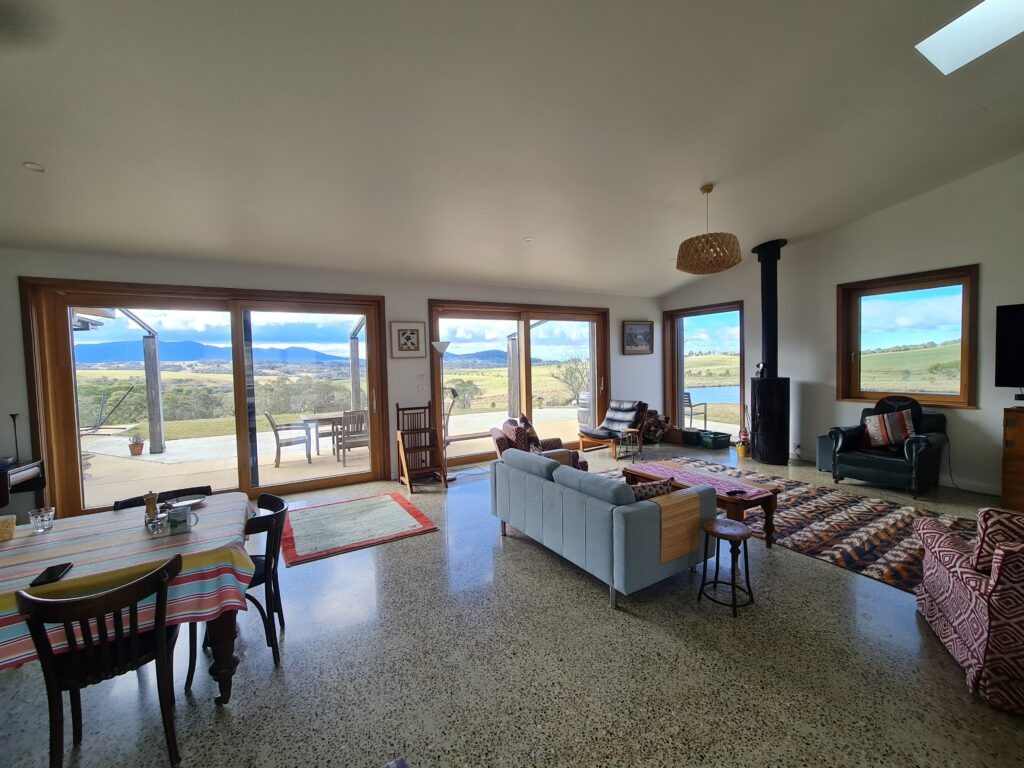
We also love timber, if it’s in your budget. Timber locks carbon away and brings warmth that metal never can.
If you’re worried about maintenance, choose systems with aluminium external cladding to protect from weathering.
They’re beautiful, tactile, and part of what makes a home feel alive.
For a more detailed analysis of window types, check out our double-glazed window guide.
13. Big fixed windows will save you money
Most window costs hide in hinges and hardware. Save money while having big windows by placing fixed windows in strategic locations. What’s a strategic location? Where you want lots of north sun, or to frame a beautiful view – or somewhere you may not need operability.
14. Get the best windows you can
Get the best windows you can for your budget – people rarely change windows down the track, but often regret not spending a little more. Avoid single glazing altogether. It’s a false saving that will cost you in energy use and comfort.
15. Make decisions you’re happy with
Every home involves trade-offs. If your best view faces west, keep it — just plan your glazing type, shading and insulation around that.
If you’re going for large walls of glass – you’ll need to get high performing windows and possibly budget for triple-glazing, as well as maximising the performance of other parts of your house.
The aim isn’t perfection. It’s a home that feels right, performs well, and stays affordable to live in.
Final thought
Windows shape how your home feels — the light, the temperature, the thermal comfort of your home, the connection to the outdoors.
Get them right, and everything works in harmony. Get them wrong, and you’ll feel it every day.Before you finalise your design, model it in the Powerhaus App — and see how your glazing, shading, and orientation really perform.